Dwesa and Cwebe Nature Reserve
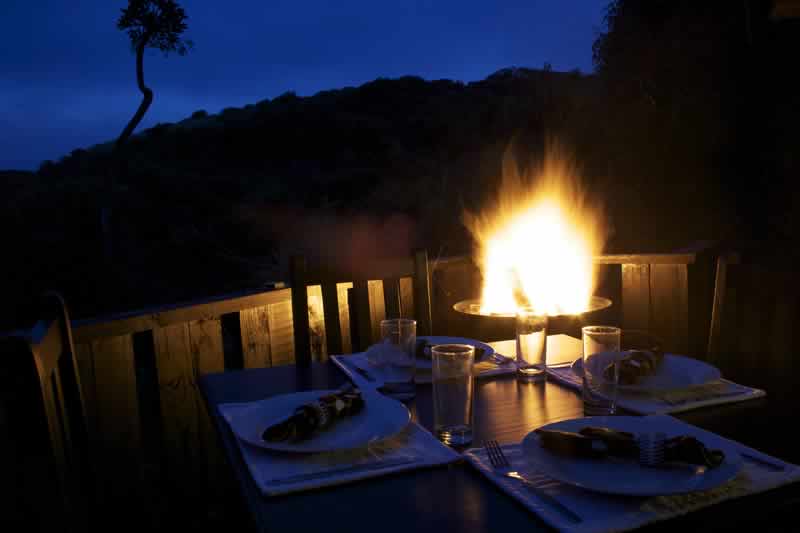
Accommodation in Cwebe is only available at the Haven Hotel.
The reserves are bordered on the one side by the Indian Ocean and on the other by rugged grasslands of the former Transkei. Both reserves are primarily covered by lowland forest but also support grasslands and acacia scrub. There are a total of 290 bird species recorded in the reserves, with at least a hundred to be found on a given visit. Being relatively under- birded, the number of known birds is ever increasing. Although a day will suffice in each reserve, at least three days is required/recommended to make the trip worthwhile.
Attractions
Although the two reserves are very similar in habitat and vegetation and support many of the same small mammals and birds, Dwesa also contains a number of introduced game species, including red hartebeest, blesbok and blue wildebeest. Crocodiles have been re-introduced to the rivers and buffalo, eland and warthog once again roam the grassland and forest fringes.
Dwesa:
Dwesa Nature Reserve is the bigger of the two reserves (3900ha) situated on the western side of the Mbashe River. There is a campsite and a few Chalets, beautifully situated adjacent a small estuary spilling into the ocean.
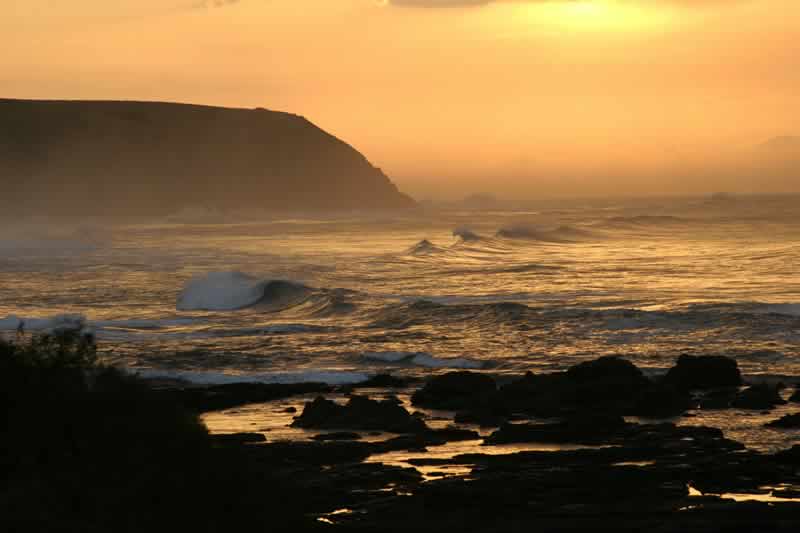
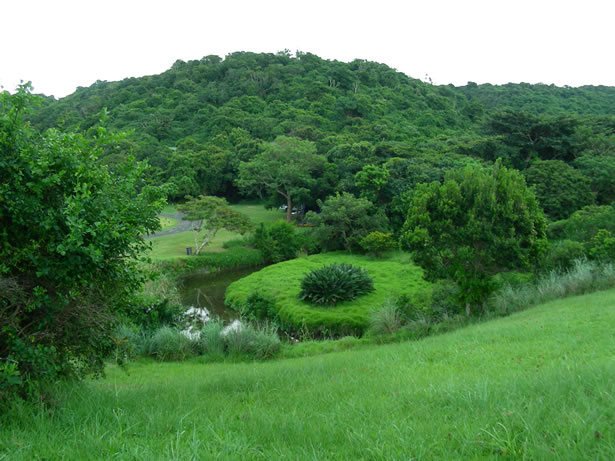
A blend of coastal forest, open grassland, winding rivers and a diverse coastline. Trails through lush forests make this a rambler’s paradise. From the top of Kobole Point, there are magnificent views across the ocean where dolphins and whales are often seen.
The birdlife in this 3900-ha reserve includes such rarities as the Narina Trogon and Mangrove Kingfisher. A good selection of the forest specials should be easily located in and around the campsite and chalets. The best forest birding is done on the road to the reserve office. There is also a track leading north through the forest towards Mendu (ask at the Office for directions).
One should also walk through the grasslands around the office, where one can find Wailing Cisticola, Plainbacked Pipit, Broadtailed Warbler and Yellowthroated Longclaw. Look in the moist grassland around the estuary east of the campsite for Croaking Cisticola and a pair of Crowned Crane that frequent the area. Venturing further into Dwesa will take you to more extensive grasslands, especially around the Mendu estuary.
Note: The reserves are also Marine Protected Areas (MPAs) so fishing is only allowed in demarcated areas.
From R 244
- Bird watching
- Diving
- Fishing
- Game drives
- Hiking
- Nature walks
Reservations
Gallery